Portfolio 2026
Plinio Pedra
Product Designer
Product Designer focused on user research, iteration, and shipping experiences that reduce friction for real people.
São Paulo, SP, Brazil
pliniopedra@gmail.compliniopedra.comlinkedin.com/in/pliniopedra

Portfolio 2026
Product Designer
Product Designer focused on user research, iteration, and shipping experiences that reduce friction for real people.
São Paulo, SP, Brazil
pliniopedra@gmail.compliniopedra.comlinkedin.com/in/pliniopedra
01Case study
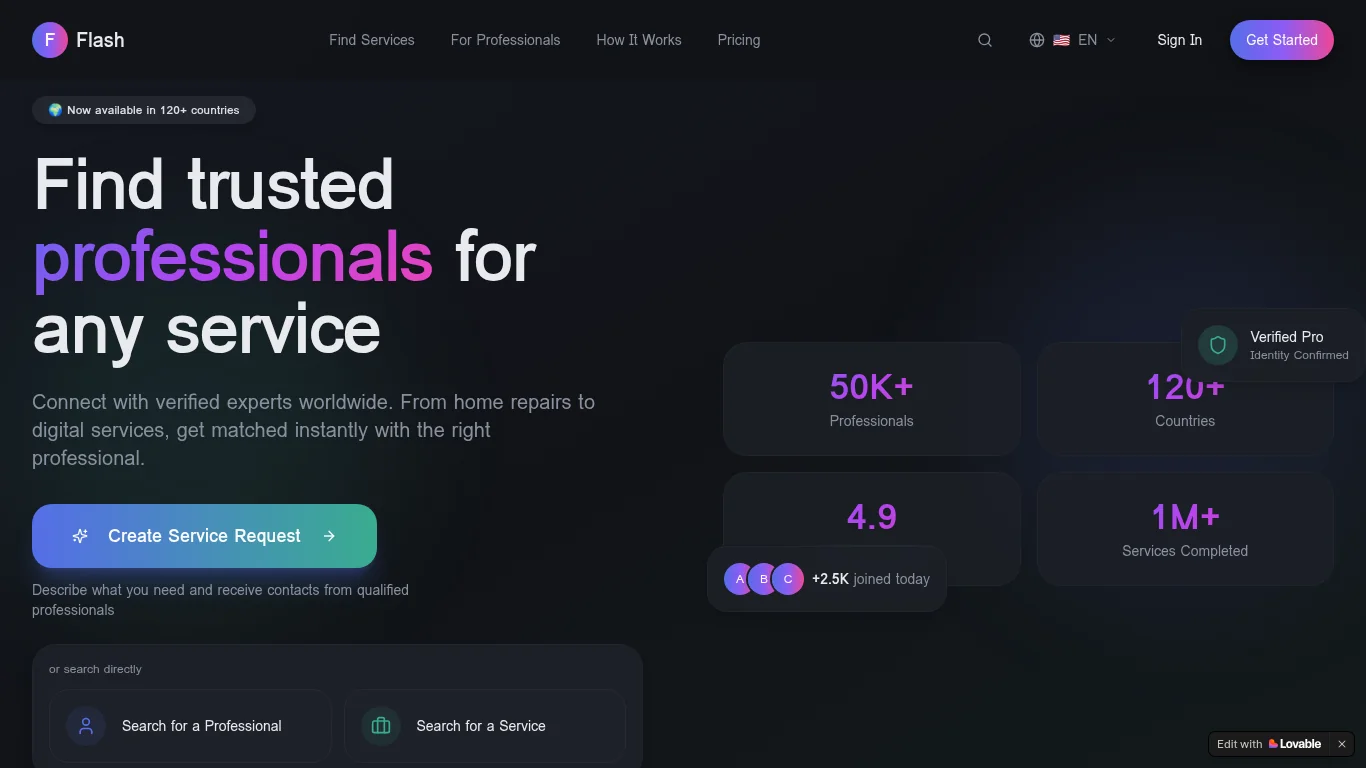
A local-services marketplace replacing open-ended chat-based negotiation with structured proposals, proposal-linked conversations, and automated agreements.
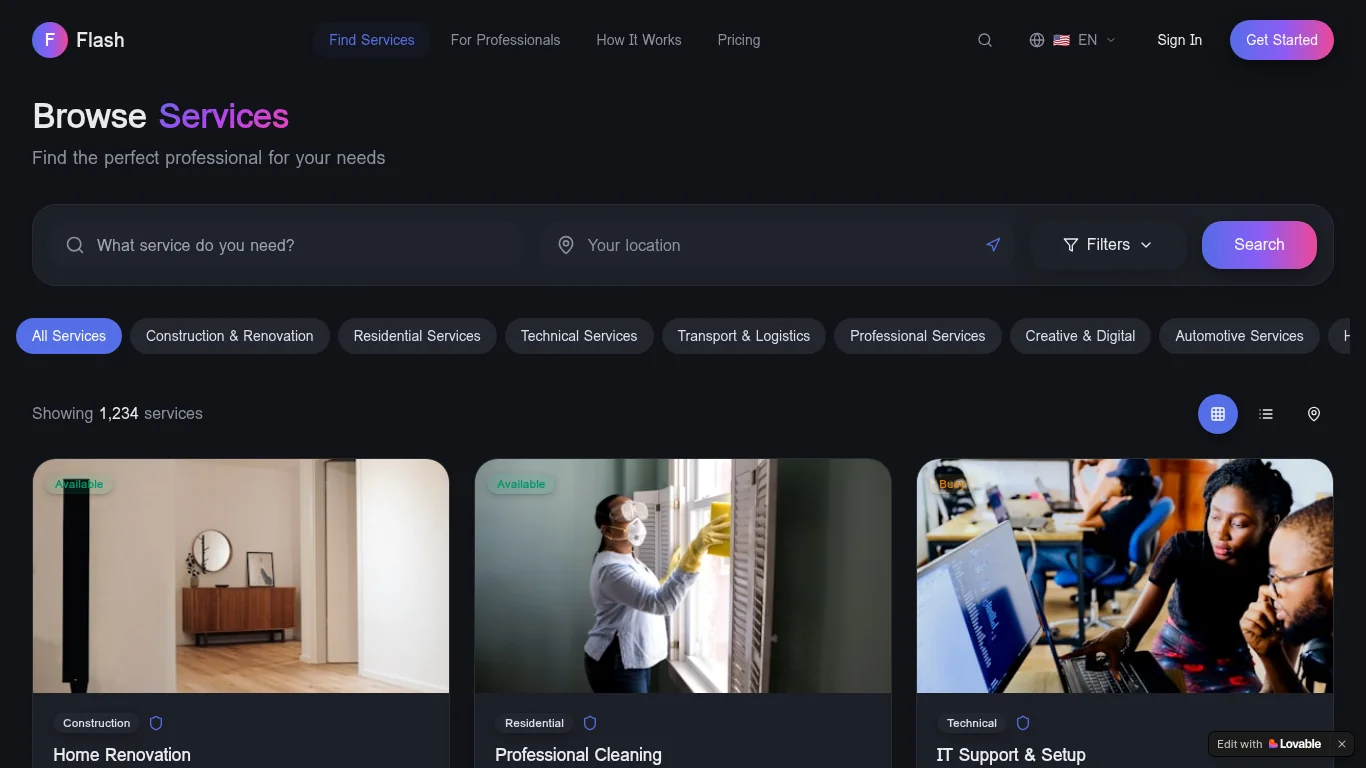
Hiring through scattered directories and open-ended message threads can leave scope, pricing, and commitments difficult to compare or retrieve. Flash Service addresses that lack of structure.
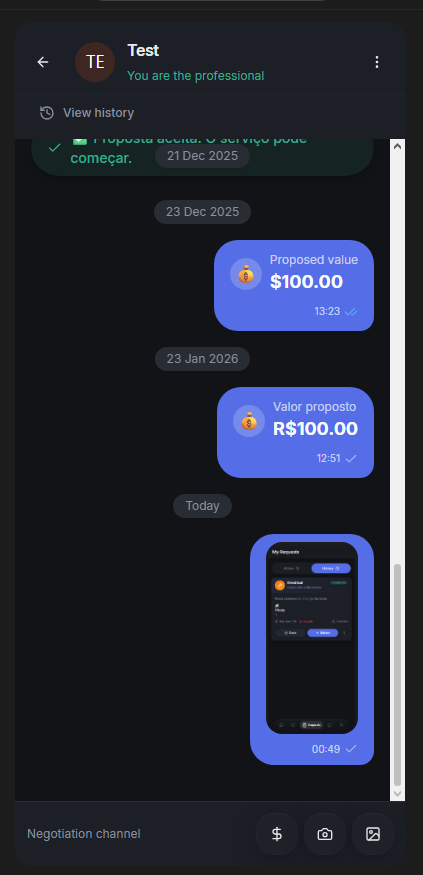
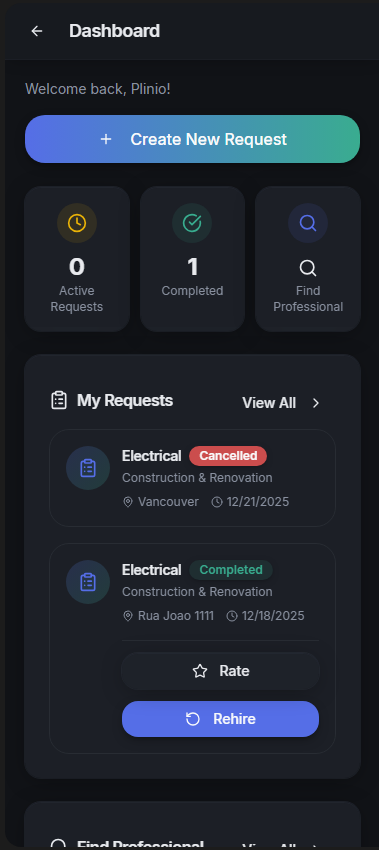
A location-based matching flow leads into a structured request, a proposal and counter-proposal exchange, and an automated agreement. The same system is designed for both mobile and desktop, with monetization tied to completed work rather than access.
A traceable negotiation record and automated agreements make the agreed scope and terms explicit. Multiple profiles share one account without separate sign-ups.
02Case study
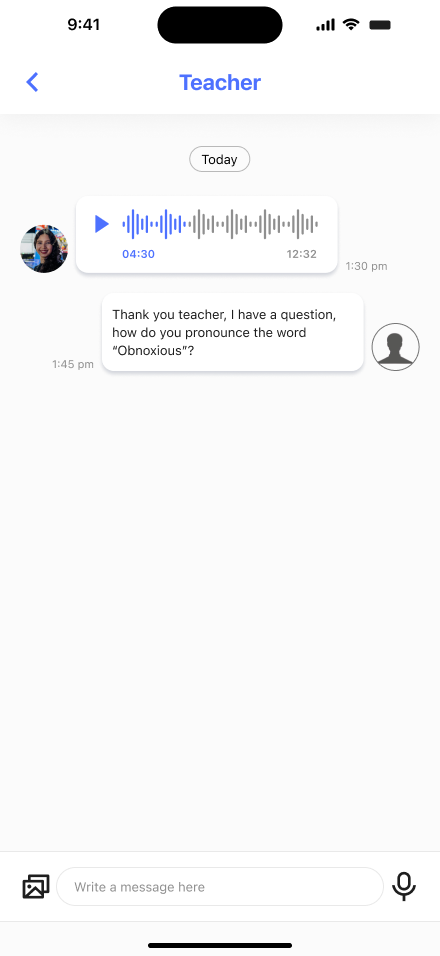
A spoken-English practice app for adult learners, built around safe, low-stakes repetition instead of test-style drills.
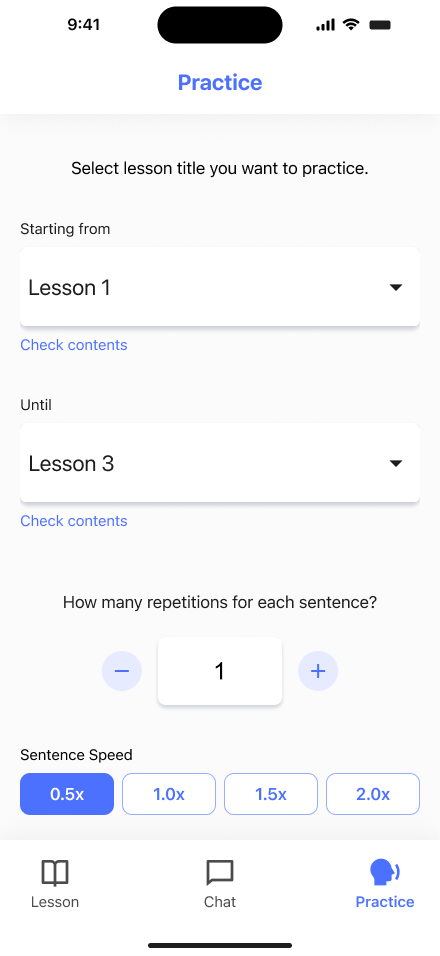
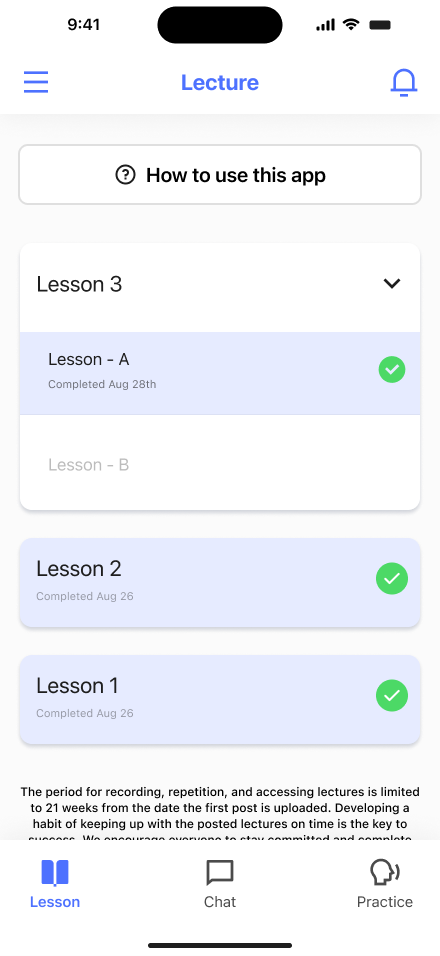
The original app opened on a lesson list without onboarding. The redesign introduces the speaking method and practice sequence before that list, with the intent of making the first session clearer.
A rebuilt first session, clearer lesson playback, and instructor feedback surfaced where learners act on it. Supported by persona work, heuristic evaluation, user flows, and wireframe rounds before high fidelity.
The prototype was tested with real students and instructors. Student comments provide qualitative feedback, not production measures of retention or completion.
03Case study
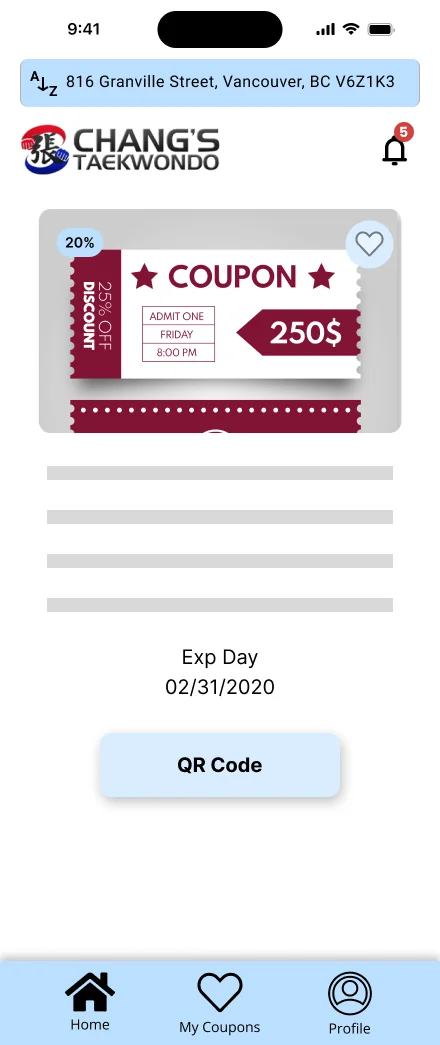
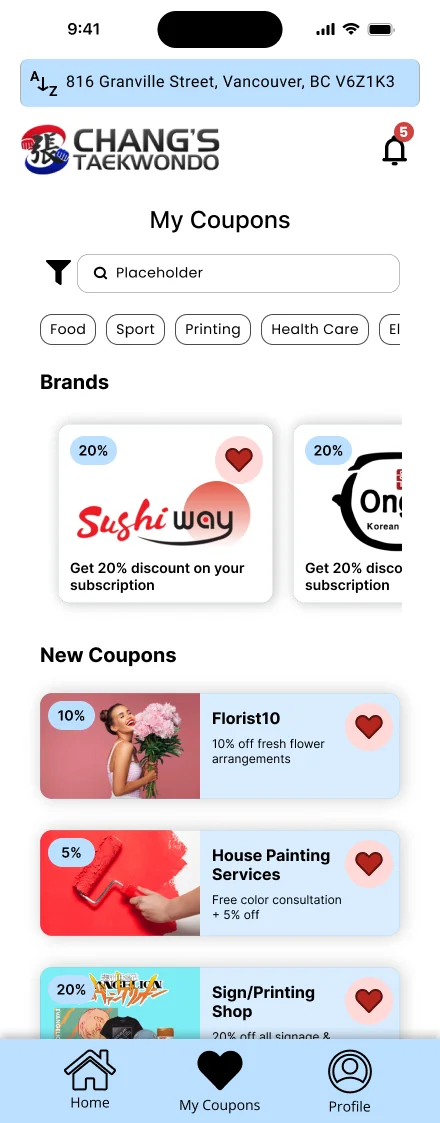
A coupon and member app for a local taekwondo dojo, pairing digital QR rewards with a web dashboard designed around recurring management tasks.
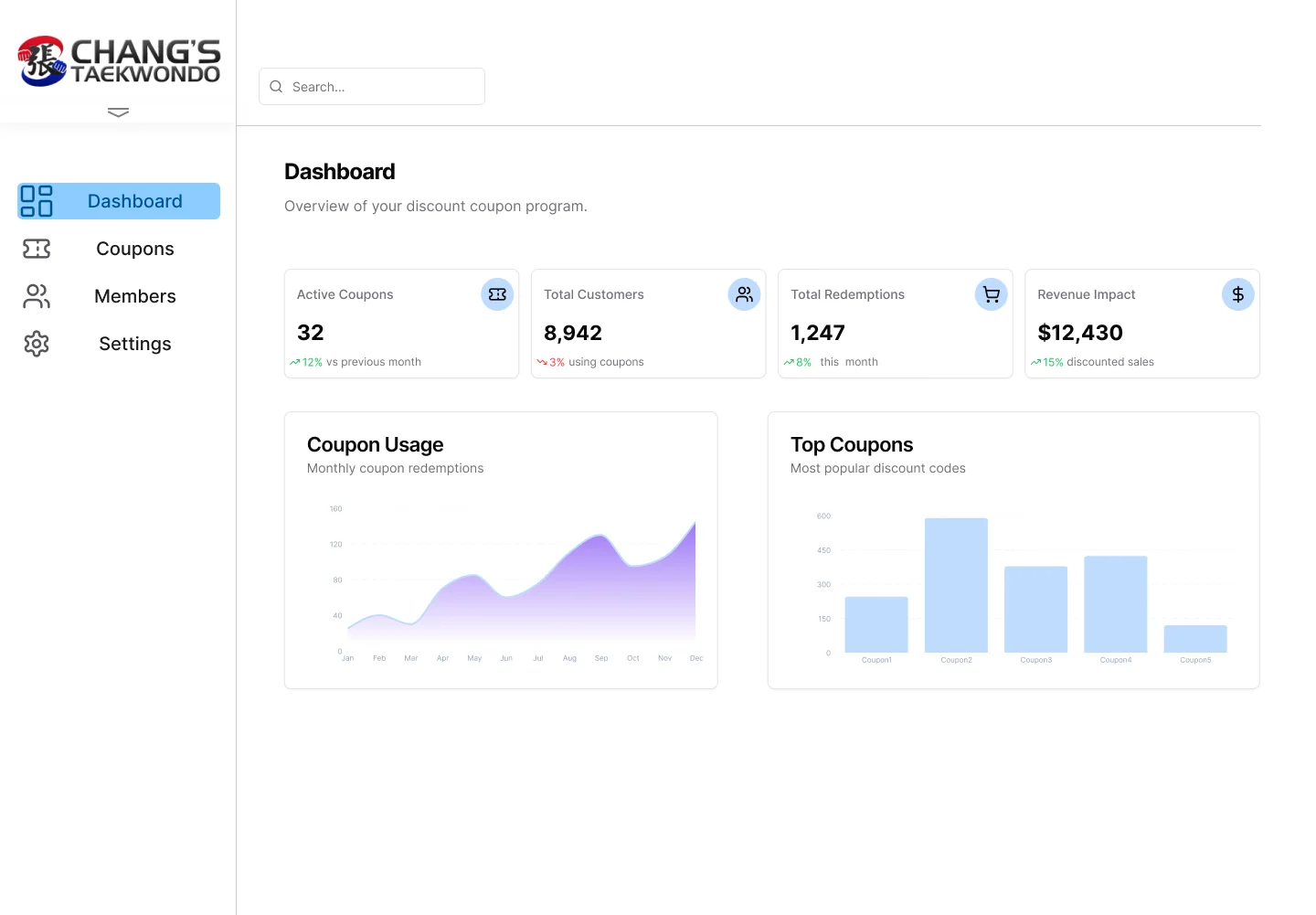
The project addressed paper coupons and manual member tracking. The design challenge was to bring coupon handling and member management into a digital flow while keeping recurring tasks accessible to a non-technical dojo owner.
A student-facing mobile app for coupons and community touchpoints, paired with a minimal web panel for the owner to create promotions and see redemptions.
The design centralizes coupon and member management, provides a trackable QR redemption flow, and groups multiple member profiles under one parent account.
04Case study
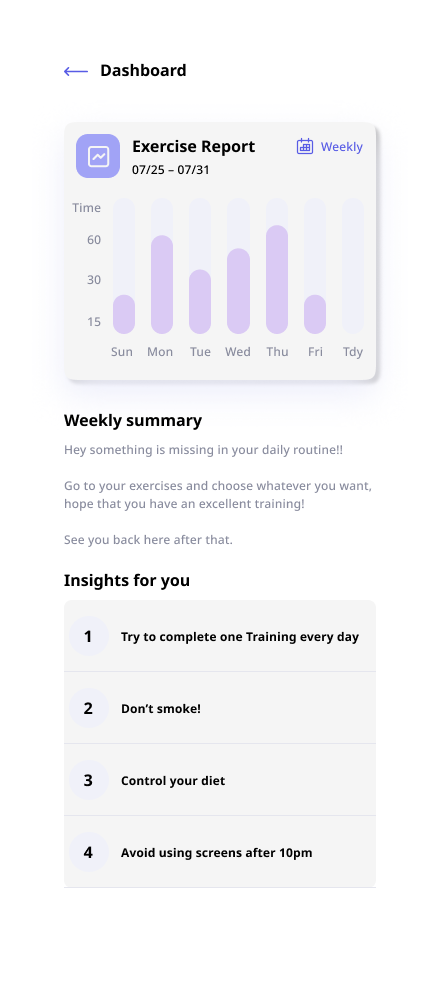
A teen wellness concept designed around motivation, accountability, and peer support instead of yet another tracker.
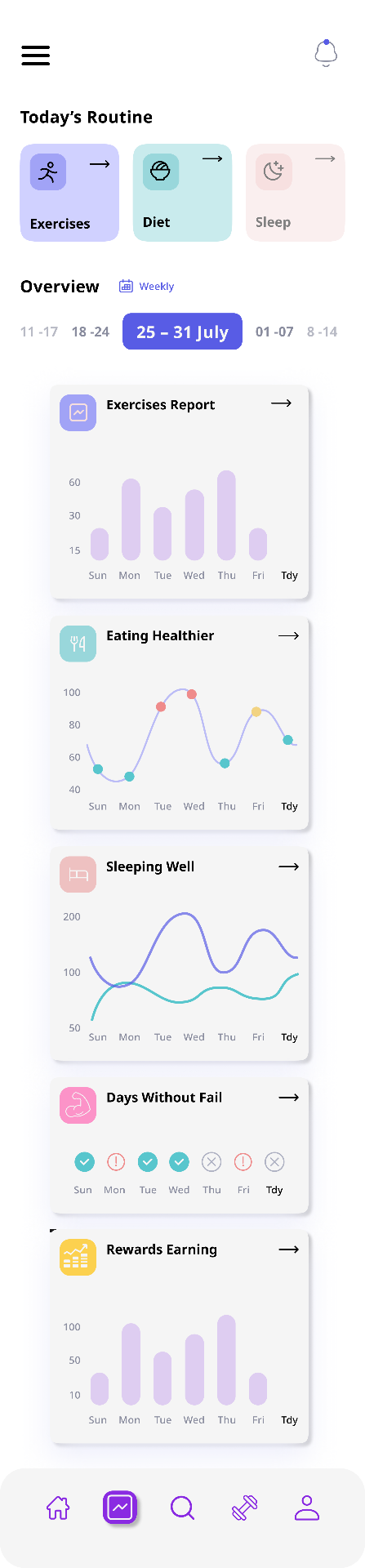
The sprint explored a design question: how could a wellness concept support teen motivation through progress visibility and social support?
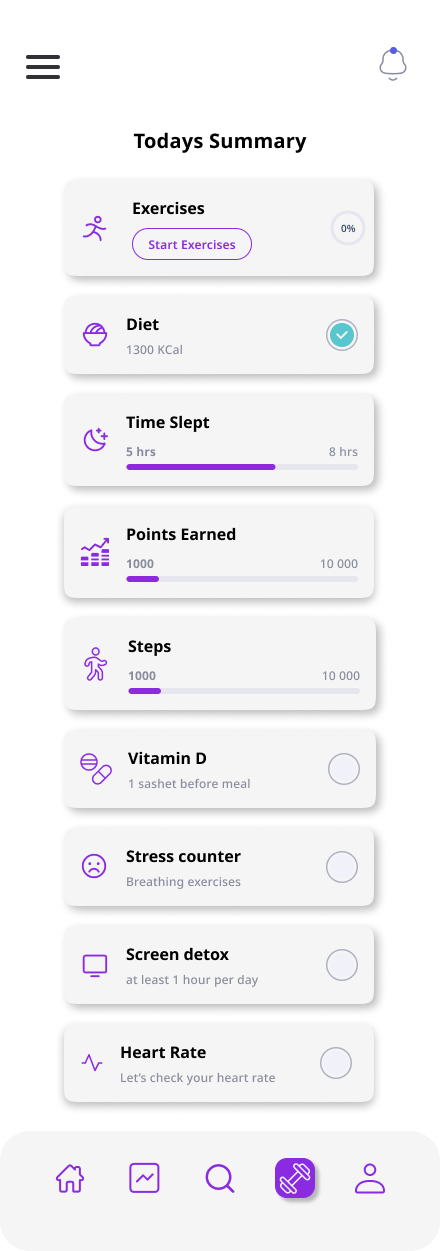
A gamified daily routine built on achievements, visible progress, and a small peer group, prototyped and tested inside the sprint window.
Interview feedback highlighted useful graphs and exercise guidance, alongside navigation and readability concerns. Prototype task results are documented, not evidence of lasting habits or health outcomes.
05Case study
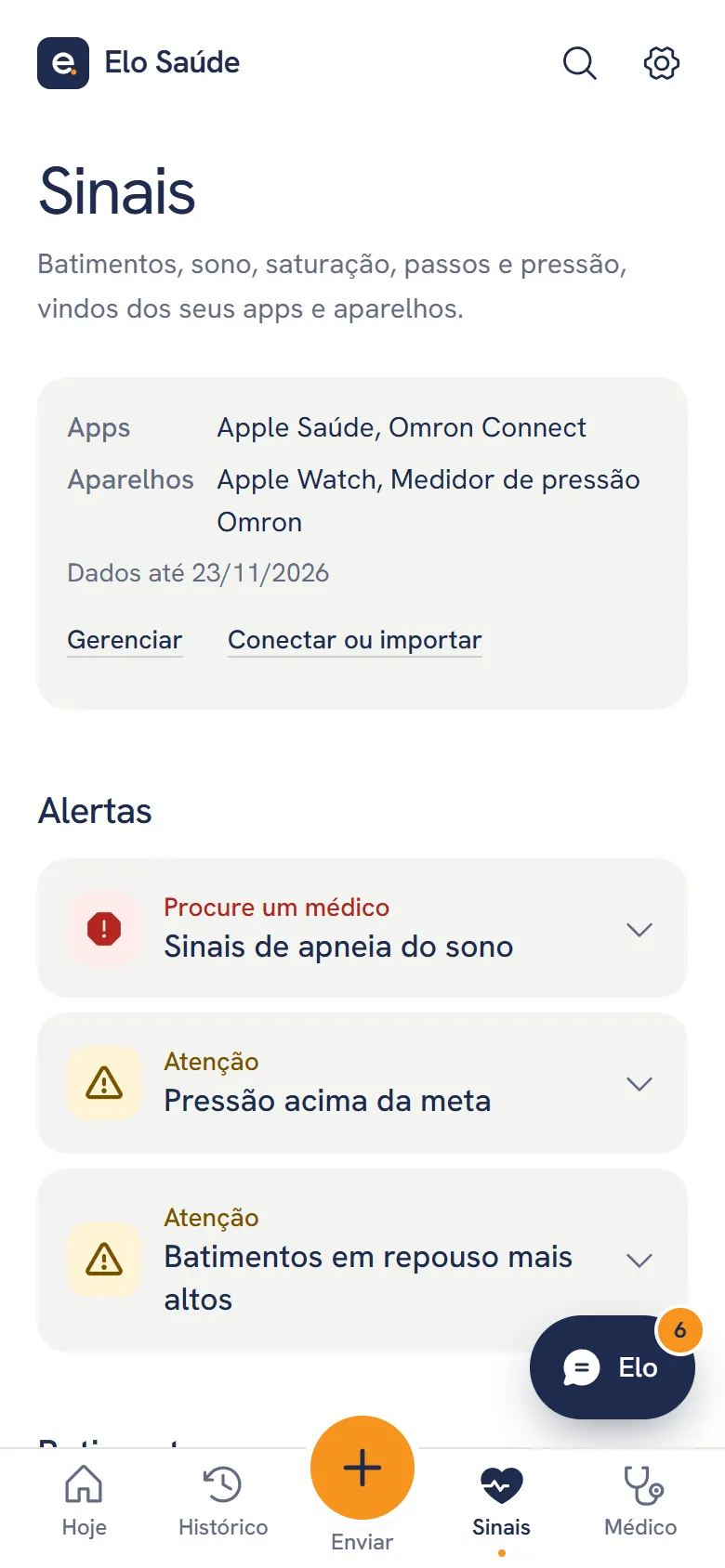
A personal health hub that turns scattered lab reports and wearable data into one history the patient controls.
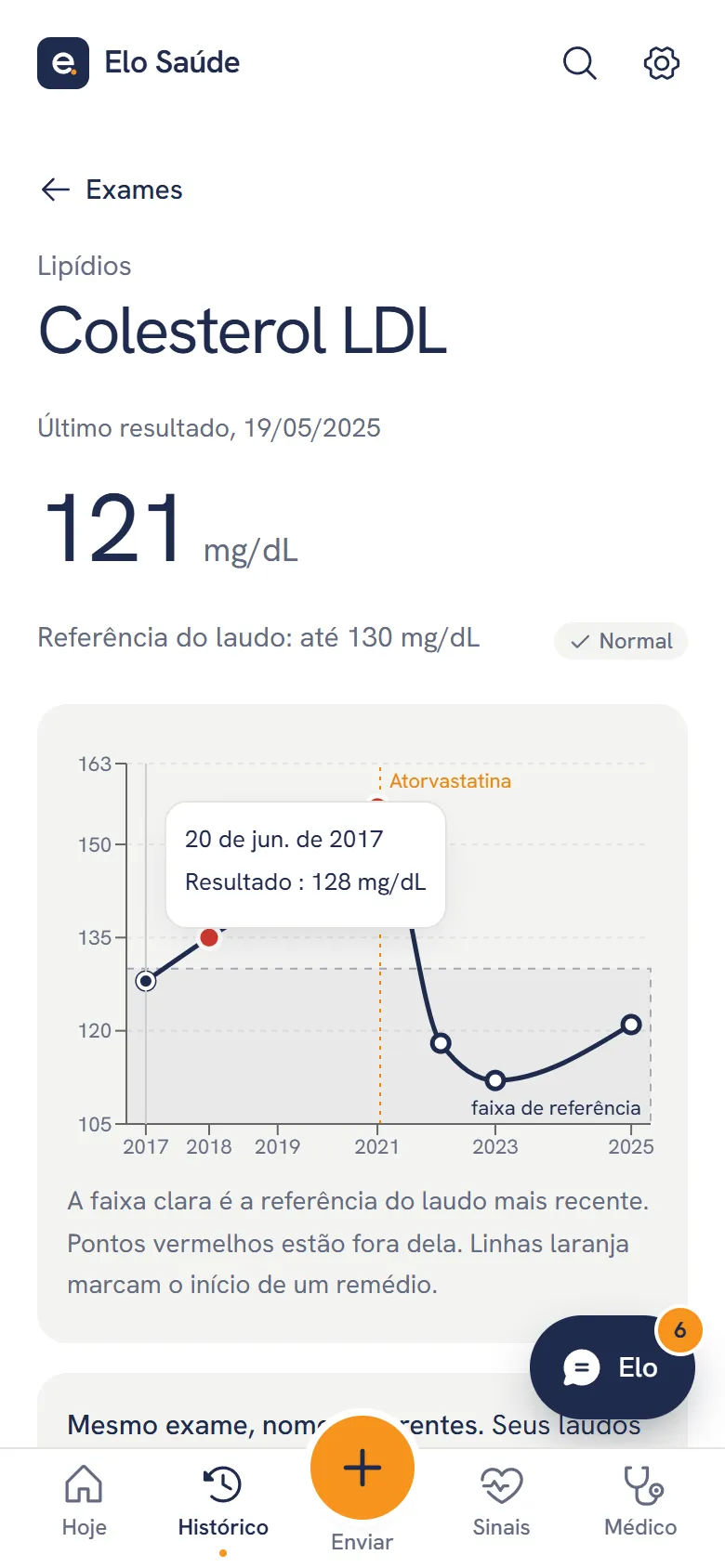
Health histories are spread across labs, hospitals, paper reports, and watches, so doctors only see what patients remember to bring.
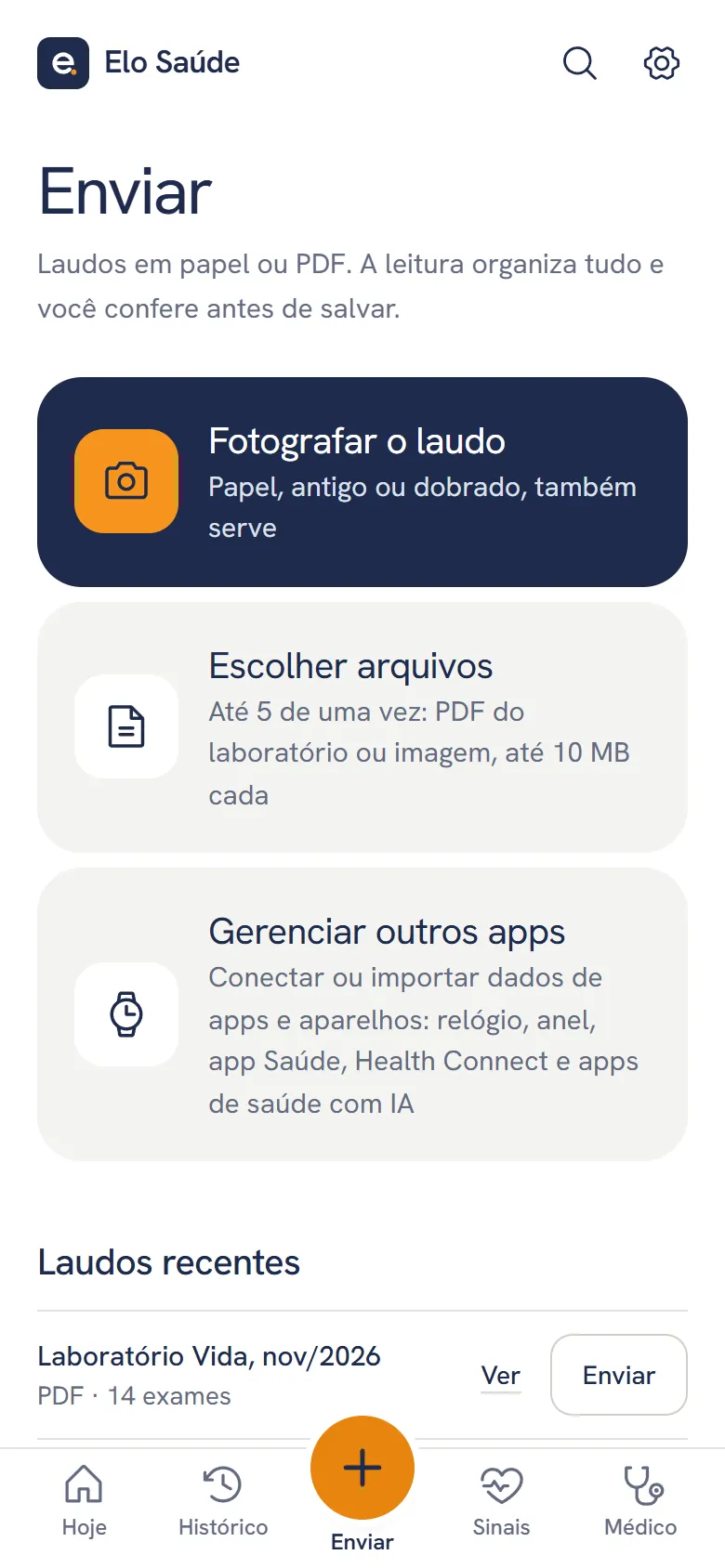
AI reads photos and PDFs of lab reports for the patient to review, exams form a 10-year timeline, and a doctor link opens a clinical summary.
The team delivered a working prototype for a live pitch. All data is synthetic; no usage metrics or competition result are claimed.
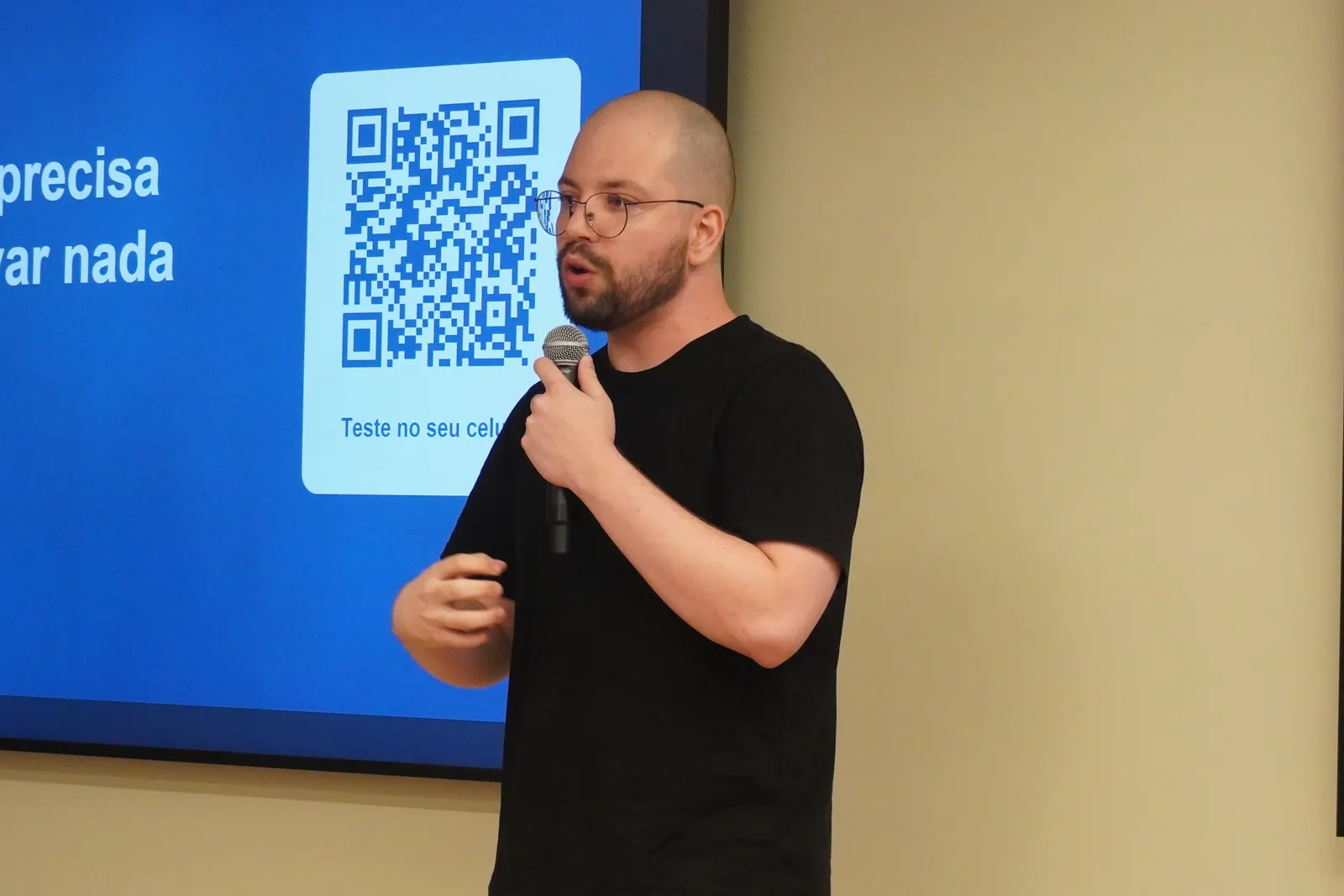
I do not treat design as decoration. I treat it as leverage: a way to compress complexity into something people can use without thinking.
Every screen, flow, and word should earn its place by making someone's job easier or a business outcome better. My process is grounded in research, sharpened by iteration, and judged by what ships and what changes.
Before product design I worked in content creation, which is where the storytelling and communication side of my practice comes from. It shows up in how I frame problems, defend decisions, and present work to non-designers.
Problem framing · Product strategy input · Interaction design · Information architecture · End-to-end flows
User interviews · Usability testing · Heuristic evaluation · Competitive analysis · Persona and journey mapping
Design systems · Responsive web and mobile UI · Prototyping · Accessibility (WCAG) · Design handoff
Figma · FigJam · Miro · Adobe Suite · HTML/CSS basics · React basics
Marketplace platform (web + mobile)
Designed the end-to-end marketplace: search, structured proposals, negotiation, and automated agreements across web and mobile.
EdTech app (iOS + Android)
Led the redesign of onboarding, lesson playback, and instructor feedback. Validated with real students and instructors.
Local business app + admin dashboard
Designed a digital alternative to paper coupons and manual member tracking, with QR redemption and a web dashboard.
4-day design sprint
Ran a full sprint from problem framing to tested prototype, focused on motivation and accountability rather than tracking features.
5-day hackathon (Nov 2026)
Reviewed and redesigned a working health-hub prototype in a team of three, from clinical language for doctors to consent and data controls.
Service design concept connecting artists to public spaces, prototyped and performed in a weekend jam.
Hackathon pitch for a hybrid quantum-classical logistics SaaS at the Qiskit Fall Fest 2026: product proposal, script, slides, and video for a team of four.
Creative project: world building, visual identity, and systems design for a tabletop campaign.
Plinio Pedra · Product Designer
São Paulo, SP, Brazil
pliniopedra@gmail.compliniopedra.comlinkedin.com/in/pliniopedra
Scan for the interactive case studies, prototypes, and full visuals.
Full portfolio online